Stripe’s books of the week, archived
Each week, Stripe (the payments infra arm of the publishing house Stripe Press) recommends one book on its homepage with a short blurb. The recommendation disappears when the next one arrives, so this page archives each.
Recommendations from before the post’s publication date were reconstructed from Internet Archive captures of Stripe’s Book of the Week JSON endpoint. Recommendations since are fetched with a daily GitHub Actions job that reads the endpoint.
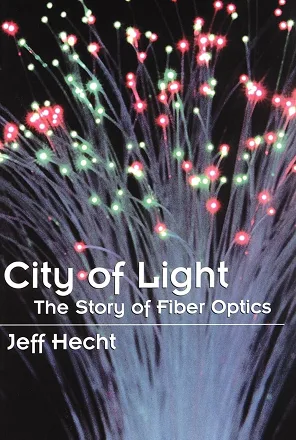
City of Light: The Story of Fiber Optics
A traves de una historia de descubrimientos accidentales, ingenieria de precision e intensa competencia empresarial, Hecht recorre los avances graduales de la fibra optica, desde sus origenes como un truco de salon del siglo XIX hasta convertirse en la estructura fisica de Internet. El libro nos recuerda lo dificil que es predecir como evolucionara una nueva tecnologia.
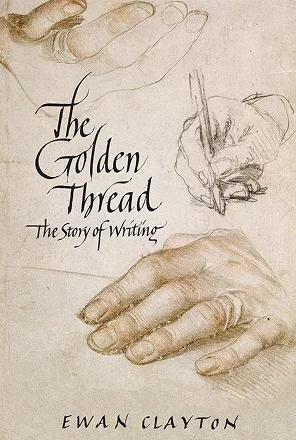
The Golden Thread: The Story of Writing
The earliest writing came in the form of marks pressed into wet clay with a sharpened reed. Clayton, a calligrapher and former consultant to Xerox PARC, explores the societal and cultural impact of writing as it shifted from clay to papyrus, parchment, movable type, and pixels. The book makes the case for writing as an evolving infrastructure, where each advancement improves our ability to disseminate ideas.
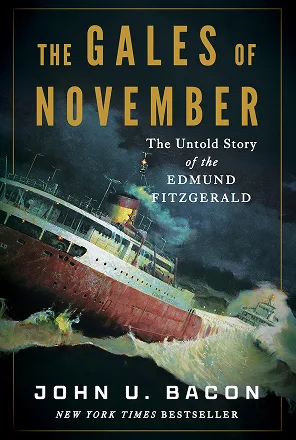
The Gales of November: The Untold Story of the Edmund Fitzgerald
For three decades following World War II, the Great Lakes overtook Europe as the epicenter of global economic strength, and no ship represented the apex of the American Century better than the 729-foot-long Edmund Fitzgerald–until it sank in 1975, taking 29 crew members with it. The book explores the vital role that Great Lakes shipping played in America’s economic boom, the uncommon lives the sailors led, why the ship sank, and the aftermath for those left behind.
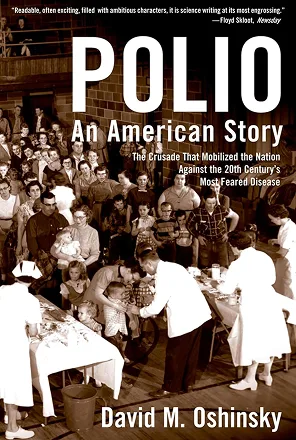
Polio: An American Story
For much of the twentieth century, polio paralyzed thousands of American children each summer and sent parents into a state of dread despite being, as Oshinsky reveals, a relatively uncommon disease. Oshinsky details how the National Foundation for Infantile Paralysis pioneered a new model for funding scientific breakthroughs, while the friction between competing research teams led by Jonas Salk and Albert Sabin accelerated the pace of discovery. The book is a history of the financing, regulatory frameworks, and media operations that revolutionized fundraising and the perception of disease in America.
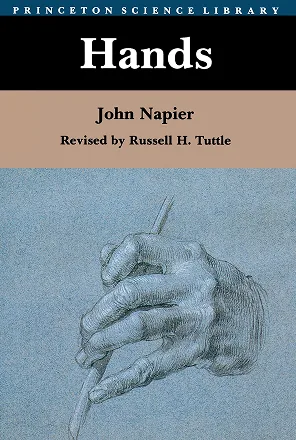
Hands
The human hand contains 27 bones and a precision grip that no other primate can replicate, allowing us to hold a pen, use a hammer, and operate a smartphone with otherwise identical anatomy. Napier, a primatologist and physician, traces how the hand evolved in parallel with the brain, and how its structure shaped everything from human language to surgical technique. The book treats the hand as a technology whose design constraints have determined much of what humans can build and communicate.
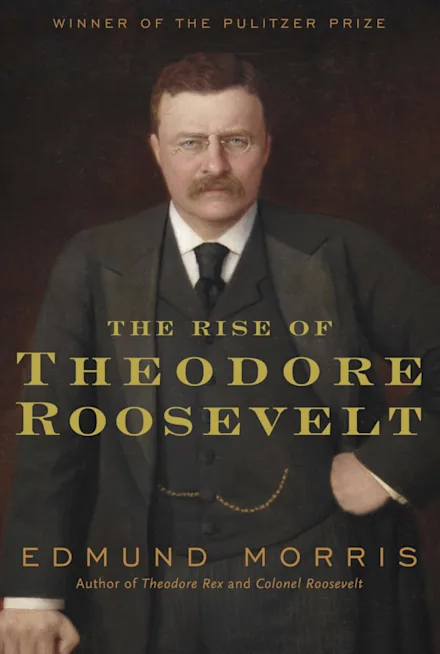
The Rise of Theodore Roosevelt
Theodore Roosevelt entered Harvard as a frail boy with severe asthma and emerged as a boxer, naturalist, rancher, author, and soldier who would accidentally become the youngest president in history. Morris follows Roosevelt through the Dakota Badlands, the New York City Board of Police Commissioners, and the Spanish-American War, meticulously chronicling the triumphs and tragedies of his improbable life. The book is a portrait of a Renaissance man whose inexhaustible energy and will reinvigorated a complacent, late-nineteenth-century America.
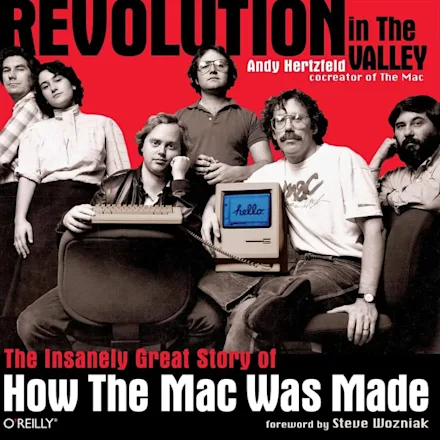
Revolution in the Valley: The Insanely Great Story of How the Mac Was Made
Most people today have never experienced what computing was like before the Graphical User Interface–an innovation that originated in 1979, when Steve Jobs sequestered 15 engineers to build a radically intuitive computer that anyone could use. Hertzfeld, an original member of that group, details the technical challenges and personal toll required to bring the Macintosh to life. The book captures the culture of a small group of people who built something that would permanently change how humans relate to technology.
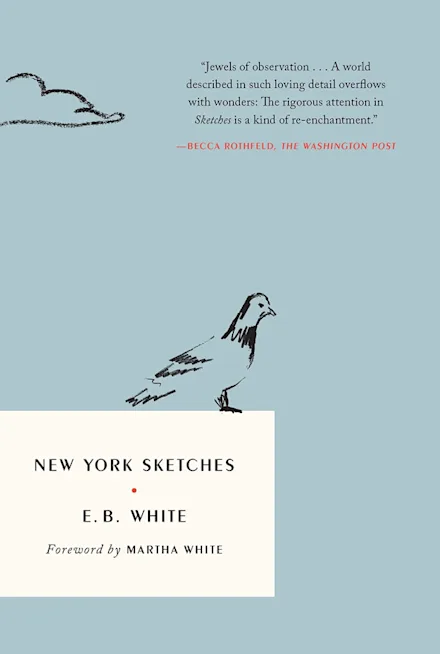
New York Sketches
E.B. White wrote for The New Yorker for more than 50 years, and much of his finest work used the city as its subject. This collection gathers his more casual pieces, ranging from the nesting habits of pigeons to a calculator trade show on Eighth Avenue. Many were written for a laugh, but they are far from trivial. The book captures the culture of New York through the sum of these small operations, and suggests that the best way to understand a place is to observe what happens in its margins.
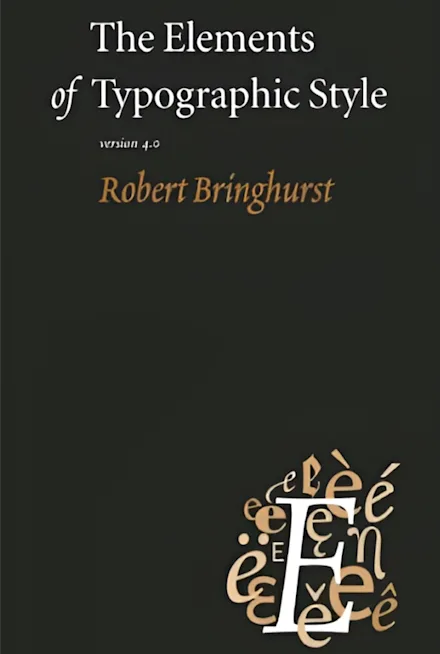
The Elements of Typographic Style
Good typography goes unnoticed by design. Bringhurst, a poet as well as a typographer, wrote the manual that designers treat as their standard reference. He walks through the practical decisions behind every printed page, from letterspacing to margin proportions, and grounds each rule in centuries of craft. The book’s central principle holds that type exists to serve the text it carries, not to decorate it.
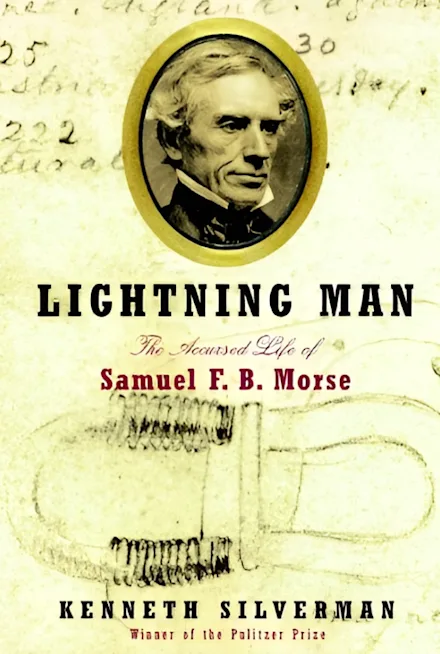
Lightning Man: The Accursed Life of Samuel F.B. Morse
Samuel Morse spent the first half of his life trying to become a great painter and judged himself a failure at it. In 1825 his wife died while he worked away from home, and the letter announcing her illness arrived too late for him to reach the funeral. The telegraph he would go on to develop could carry a message from Washington to Baltimore in seconds by 1844. Covering decades of patent litigation and public feuds, the book chronicles the miserable life of a man whose invention changed the world.
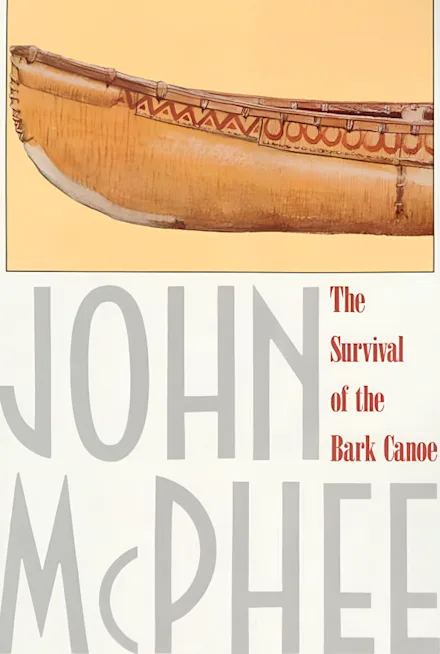
The Survival of the Bark Canoe
Henri Vaillancourt builds birch-bark canoes in New Hampshire using methods the Algonquin perfected long before European contact. He fells his own trees and works almost entirely with hand tools. McPhee watches him build, then joins him on a long journey through the Maine woods, where the canoes perform superbly while their maker proves difficult company. The book shows that a technology honed thousands of years ago can still match or beat its modern replacements, and it records what it takes to keep such a craft alive.
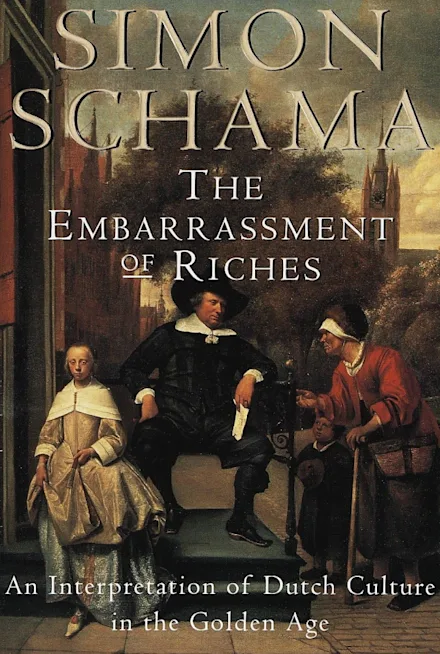
The Embarrassment of Riches: An Interpretation of Dutch Culture in the Golden Age
In the seventeenth century, the Dutch Republic–a small country that expanded its land by pumping it out of the sea–became the richest society on earth. Calvinist preachers warned that abundance would corrupt the young republic, even as merchants filled their houses with paintings and imported luxuries. The book argues that this unease with success shaped Dutch habits of charity and civic duty, and examines how the first modern society decided what to do with its wealth.
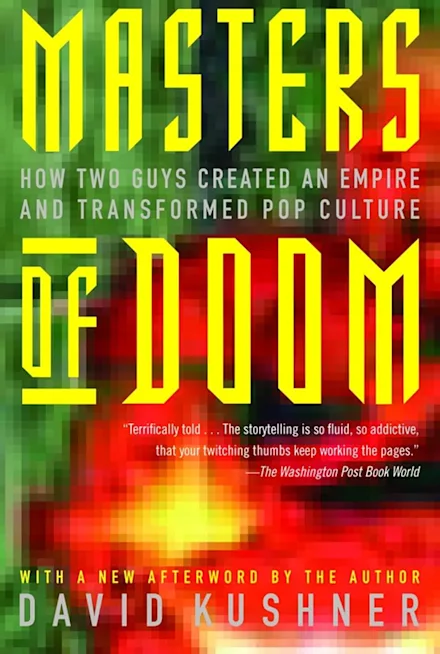
Masters of Doom: How Two Guys Created an Empire and Transformed Pop Culture
In the early 1990s, a small group of programmers transformed the personal computer into a new platform for mass entertainment. Kushner follows John Carmack and John Romero as they build id Software, create Doom and Quake, and pioneer 3D graphics, shareware distribution, networked play, and user-generated modifications. The book shows how two founders with contrasting talents and open technology created an entire industry, only for the same friction that fueled their success to tear them apart.
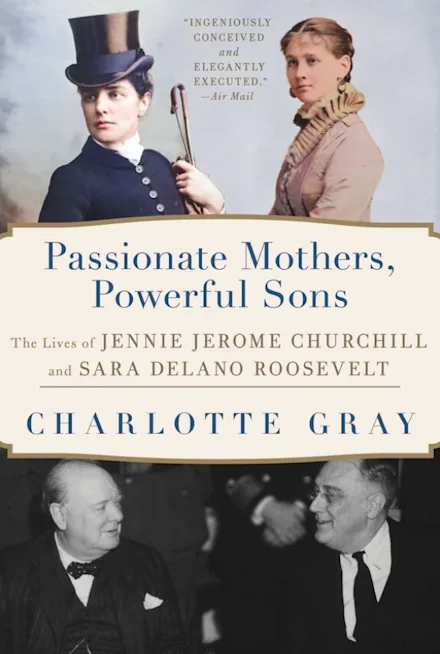
Passionate Mothers, Powerful Sons: The Lives of Jennie Jerome Churchill and Sara Delano Roosevelt
Jennie Jerome Churchill and Sara Delano Roosevelt were wealthy American women largely excluded from formal power, yet each raised a son who would lead his country through war. Jennie advanced Winston through charm, connections, and relentless advocacy; Sara gave Franklin financial security, social standing, and an almost suffocating degree of attention. Gray’s parallel biography shows how influence travels through families and networks, and how power can be exercised from positions that history tends to treat as peripheral.
This book was repeated for July 20, 2026.
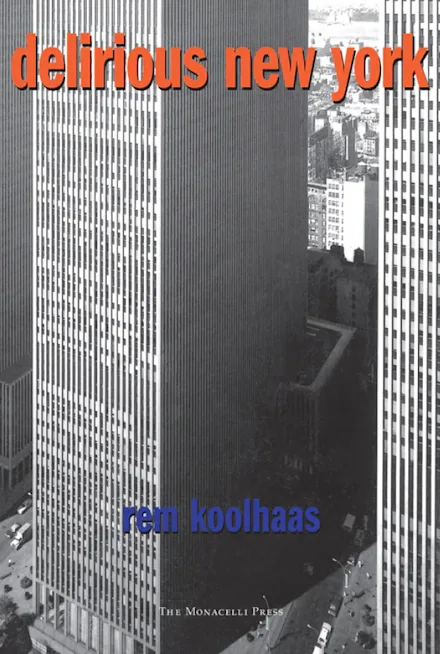
Delirious New York: A Retroactive Manifesto for Manhattan
Koolhaas traces the architectural evolution of New York, from how the Dutch plotted Manhattan’s grid, to the creation of Coney Island, to the engineering of skyscrapers. The book argues that New York City’s chaotic yet productive “culture of congestion” is both enabled and embodied by its physical infrastructure.
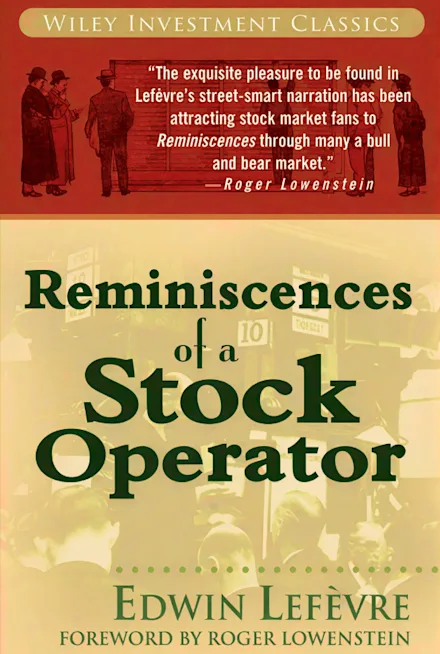
Reminiscences of a Stock Operator
Lefevre’s 1923 fictionalized biography follows trader Jesse Livermore from bucket shops to Wall Street, where he makes and loses fortunes by confusing luck with skill, testing positions in increments, and learning when to trust price over opinion. The book’s enduring insight is that markets change faster than human nature, making self-discipline as important as information.
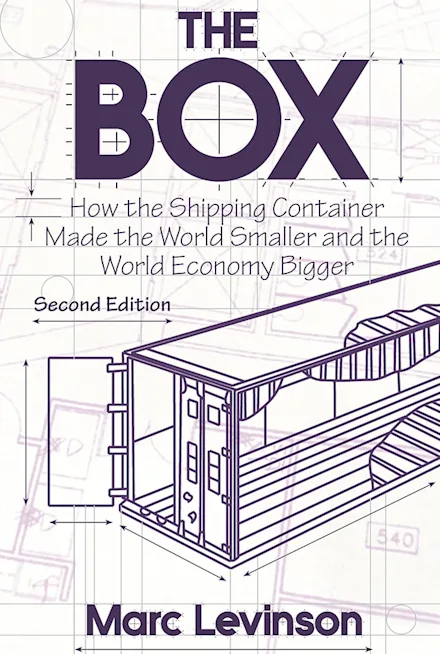
The Box: How the Shipping Container Made the World Smaller and the World Economy Bigger
Before the shipping container, ships sat idle in ports for days as longshoremen loaded cargo piece by piece. That changed in April 1956, when a refitted oil tanker carried 58 shipping containers from Newark to Houston. Levinson tells how that steel box transformed port cities, shaped military logistics in Vietnam, and paved the way for Asia to become the world’s workshop. The book argues it did more to drive globalization than any trade agreement.

A Time of Gifts
In December 1933, the 18-year-old Patrick Leigh Fermor set out from the Hook of Holland to walk to Constantinople, sleeping in barns, police cells, and, occasionally, castles. The book is an elegy for a vanished Central Europe: carved doorways, regional dialects, innkeepers’ rituals, bargemen’s songs, and the fading grandeur of an old world on the eve of the Second World War.
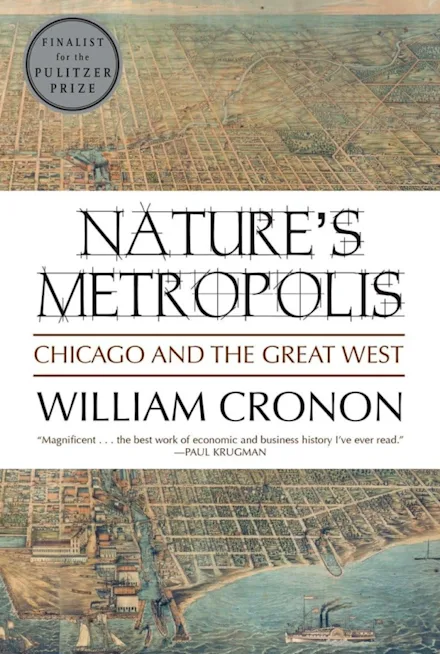
Nature's Metropolis: Chicago and the Great West
Between 1833 and 1900, Chicago’s population doubled every 5 years for 70 years straight. It did this by gathering, transforming, and redistributing the natural resources of the Great West: grain, lumber, and meat. In turn, the West was shaped by the capital, people, and infrastructure flowing outward from the city. This book argues that city and nature are not opposites but a single system–and that economic history and environmental history are the same story.
The Beginning of Infinity: Explanations that Transform the World
Deutsch argues that all progress depends on a single thing: good explanations. A good explanation is one precise enough to be testable, and therefore replaceable when something better comes along. The book argues that once you have a culture that allows that process to happen, the growth of knowledge has no necessary end, and we’re only at its beginning.
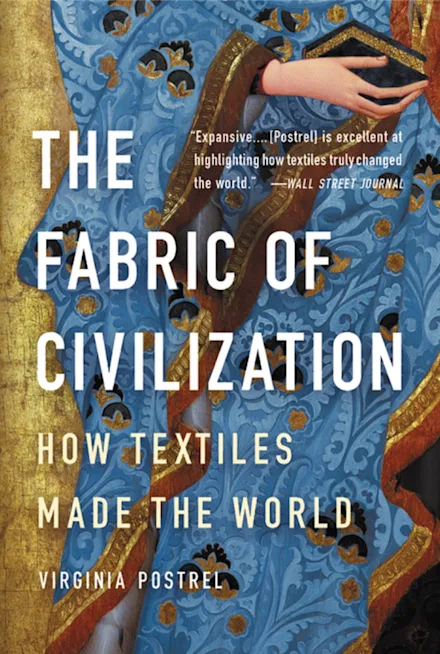
The Fabric of Civilization: How Textiles Made the World
Textiles are the foundational technology of modern civilization. Postrel traces how the scarcity of thread drove the Industrial Revolution, how weaving gave us the origins of binary code, and how the textile trade built the institutions of banking and global commerce we know today. The book argues that most of this progress came not from celebrated inventors but from incremental process improvements by anonymous workers.

Conjectures and Refutations: The Growth of Scientific Knowledge
Knowledge grows not by confirming what we believe but by rigorously attempting to refute it. In this collection of essays and lectures, Popper applies that thesis far beyond science, to history, politics, language, and tradition. The book argues that since no knowledge can ever be established as certainly true, the willingness to be corrected is the foundation of progress.
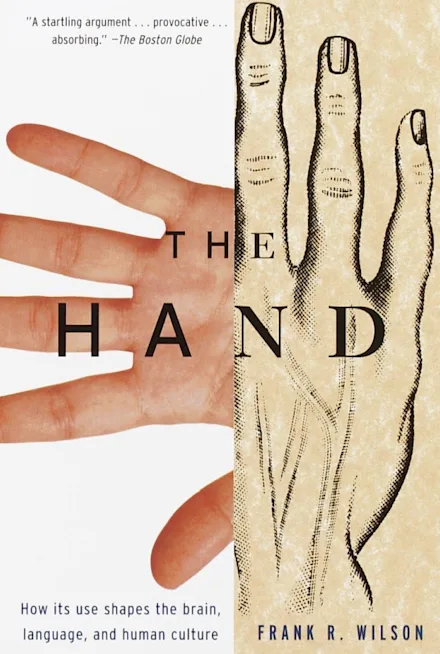
The Hand: How Its Use Shapes the Brain, Language, and Human Culture
We tend to think of the hand as the brain’s instrument. Wilson turns that assumption around. Drawing on neuroscience, anatomy, and portraits of musicians, craftspeople, and surgeons, he argues that the peculiarities of the human hand were a primary driver of brain evolution itself. The book makes the case that intelligence is not purely cerebral but shaped by our manual engagement with the world.
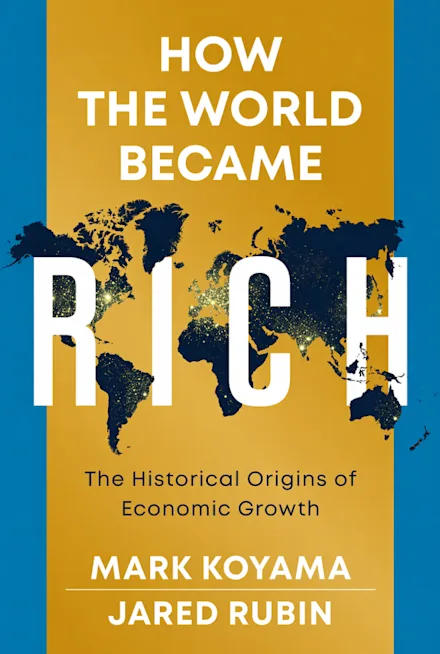
How the World Became Rich: The Historical Origins of Economic Growth
Almost all of humanity’s wealth was created in the last two centuries. Koyama and Rubin survey the leading explanations for why growth happened in Britain first; spread to parts of Europe, the US, and Japan in the nineteenth century; and arrived elsewhere much later. The book argues that while property rights and a culture of innovation were prerequisites, the timing and geography of growth were shaped by a constellation of factors that resists any single explanation.

New York City Transit Authority Graphics Standards Manual
In the late 1960s, navigating the New York City subway was a chaotic experience–every station had its own signage and typefaces, with no coherent wayfinding logic. Vignelli and Noorda redesigned the entire system, establishing a unified visual language built on a single typeface. The manual is a case study in how beauty and attention to detail fundamentally shape how people experience their environment.
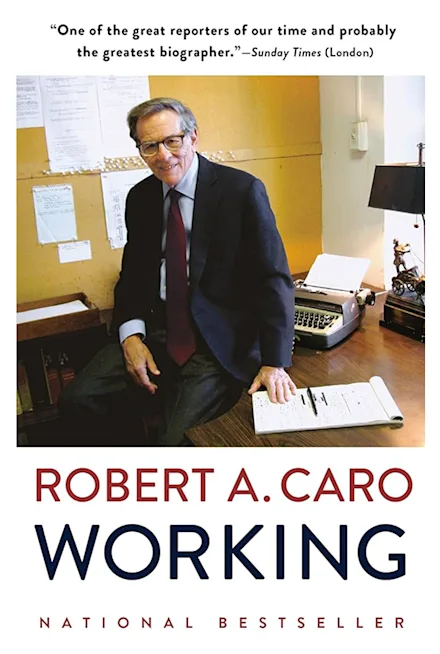
Working: Researching, Interviewing, Writing
Caro spent 50 years of his life researching two men–Robert Moses and Lyndon B. Johnson–to understand how political power works. His book unpacks his research method, from turning every page of every archive, however dry, to interviewing the same people repeatedly until they shared a missing piece of the story. An autobiographical account of caring unreasonably about getting things right.

House on Fire: The Fight to Eradicate Smallpox
William Foege, who died earlier this year, developed the “ring vaccination” strategy that eradicated smallpox. Rather than attempting to vaccinate entire populations in advance of outbreaks–a slow and resource-intensive approach–his team would identify people showing early symptoms and rapidly vaccinate their immediate contacts. The book is a first-person account of how he did it.
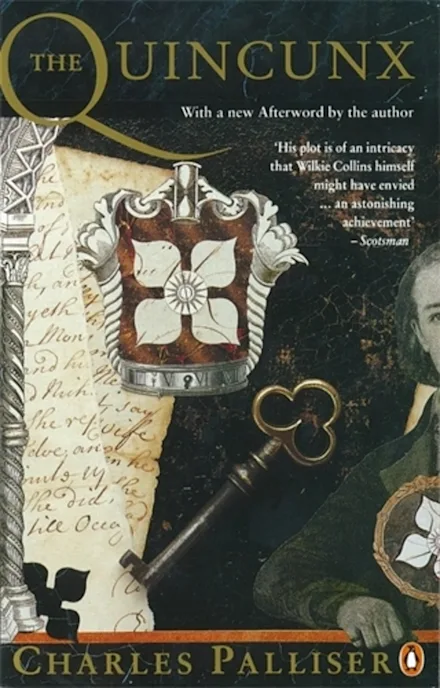
The Quincunx: The Inheritance of John Huffam
The Quincunx follows the life of a minor heir who is cheated out of his inheritance. As the hero fights to recover his estate, we’re given a tour of low-paid jobs the Victorian poor relied on to scrape together a living: searching sewers for pennies and scrubbing plates in the houses of the landed rich. The novel is a visceral reminder of how much we’ve benefited from economic growth.
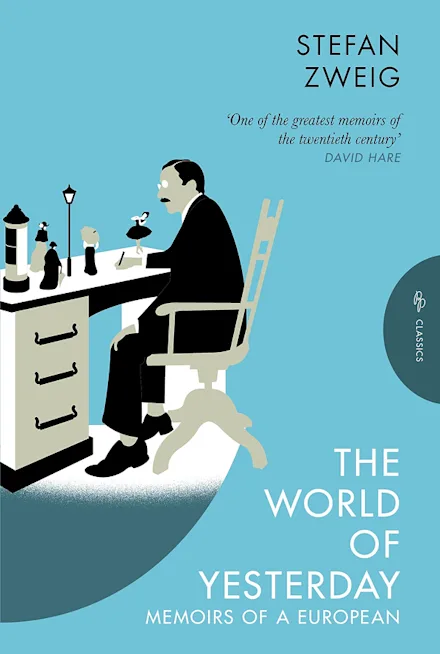
The World of Yesterday
Zweig’s memoir records the golden age of Habsburg Europe and the collapse of a nearly borderless system. He documents the pre-1914 era when gold coins moved freely across borders and travelers crossed frontiers without a single identity paper. The book is a study in how an international network of trade, technology, and culture that seemed invincible can quietly erode
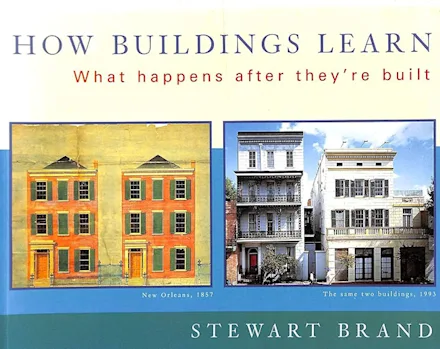
How Buildings Learn
A building’s core structure, skin, services, and interiors age at different rates. Making those layers independent (e.g., running services in accessible shafts and designing fixtures to be replaceable) lets you update wiring, roofs, or layouts without tearing the whole building down. The book makes the case for building design that keeps updates cheap and low-risk over time–rather than trying to get everything right up front.
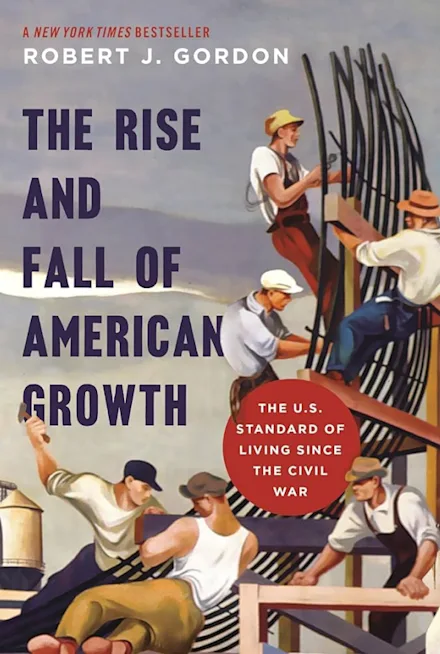
The Rise and Fall of American Growth
The dramatic rise in living standards in the United States between 1870 and 1970 was a historical exception, not the norm. Gordon shows that inventions such as electricity, sanitation, cars, and antibiotics transformed daily life in ways that recent digital technologies have not produced at the same scale. He challenges the assumption of endless growth, arguing that future progress will depend less on grand breakthroughs and more on the institutions and policies that sustain steady improvements in education, infrastructure, and public health.
The Nature of Order
Cities succeed or fail for structural reasons, not stylistic ones. The book shows that places people enjoy share features like clear centers (squares, courtyards) and human-scaled details (low steps, approachable entrances). These recurring features are the building blocks of places that feel alive and work well–and ignoring them is what makes so much modern building fail.

Order without Design
Bertaud argues that cities are economic systems, not works of art. Where people live, how far they commute, and how much they pay for housing are shaped by land prices and travel time, not by master plans. When planners ignore those forces, they restrict housing, push jobs and homes apart, and make cities slower and more expensive. The book reframes urban planning as managing hard trade-offs between affordability, mobility, and access to work.
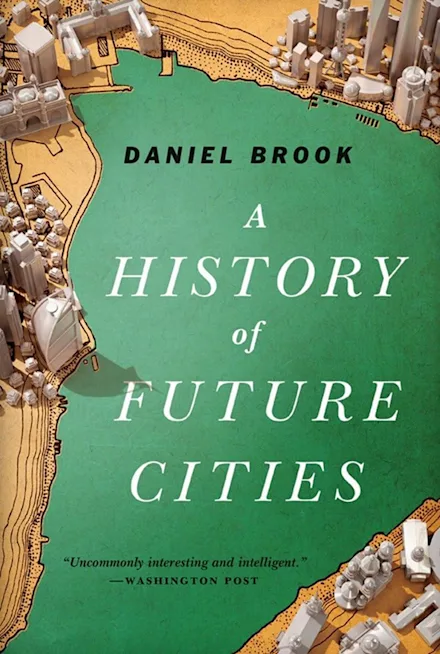
A History of Future Cities
St. Petersburg, Shanghai, and Mumbai grew by first importing Western institutions and aesthetics and then, over decades, adapting these blueprints to fit the local context. The book looks at today’s boomtowns–including Shenzhen and parts of Dubai–not as pure novelties, but as the latest manifestations of a recurring pattern of imitation then adaptation.
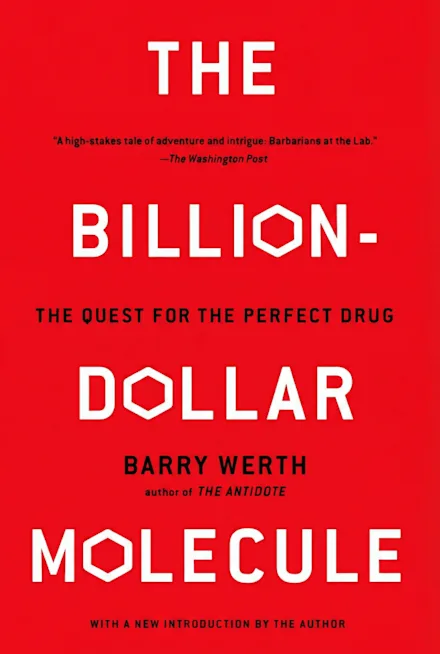
The Billion-Dollar Molecule
An inside look at Vertex and its founder Joshua Boger, who built a drug company focused on fixing molecular causes, rather than treating symptoms. Werth chronicles Boger’s journey, from assembling a small team of scientists and navigating early financing, to laying the groundwork for ivacaftor, a cystic fibrosis drug. Aggressive capital, a focused lab, and scientific rigor transformed this scientific moonshot into a successful medicine.
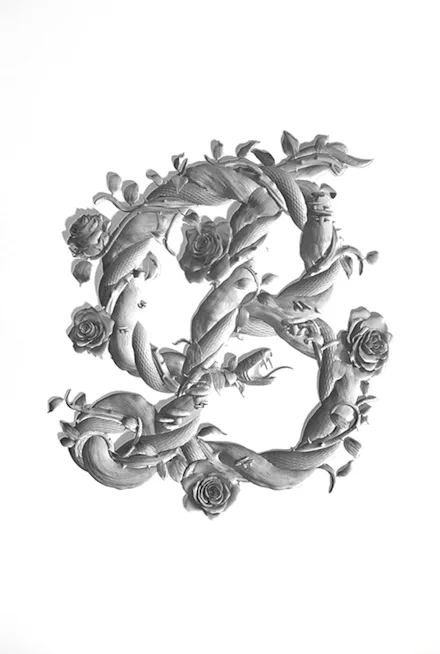
Beauty
A visual study of why people respond to beauty, drawing on philosophy, psychology, and centuries of design. Sagmeister and Walsh argue that deliberate choices in aesthetics–composition, materials, and typography–are about more than mere ornament; they shape our perception and our use of products, spaces, and experiences.
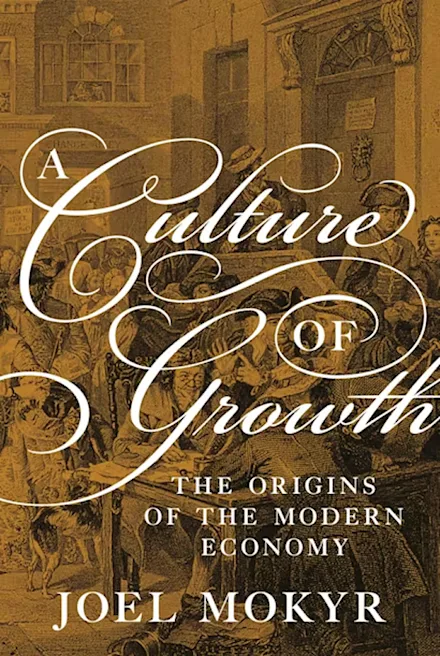
A Culture of Growth: The Origins of the Modern Economy
The Industrial Revolution reshaped the world, but why it began in Europe is still a puzzle. Mokyr traces its origins to a shift in how knowledge was used: scientists and skilled workers began testing new ideas on pumps, furnaces, and spinning machines, and publishing what worked so others could improve it. That collective habit, what Mokyr calls a culture of growth, became the engine of Europe’s economic success.
This book was repeated for February 2, 2026.